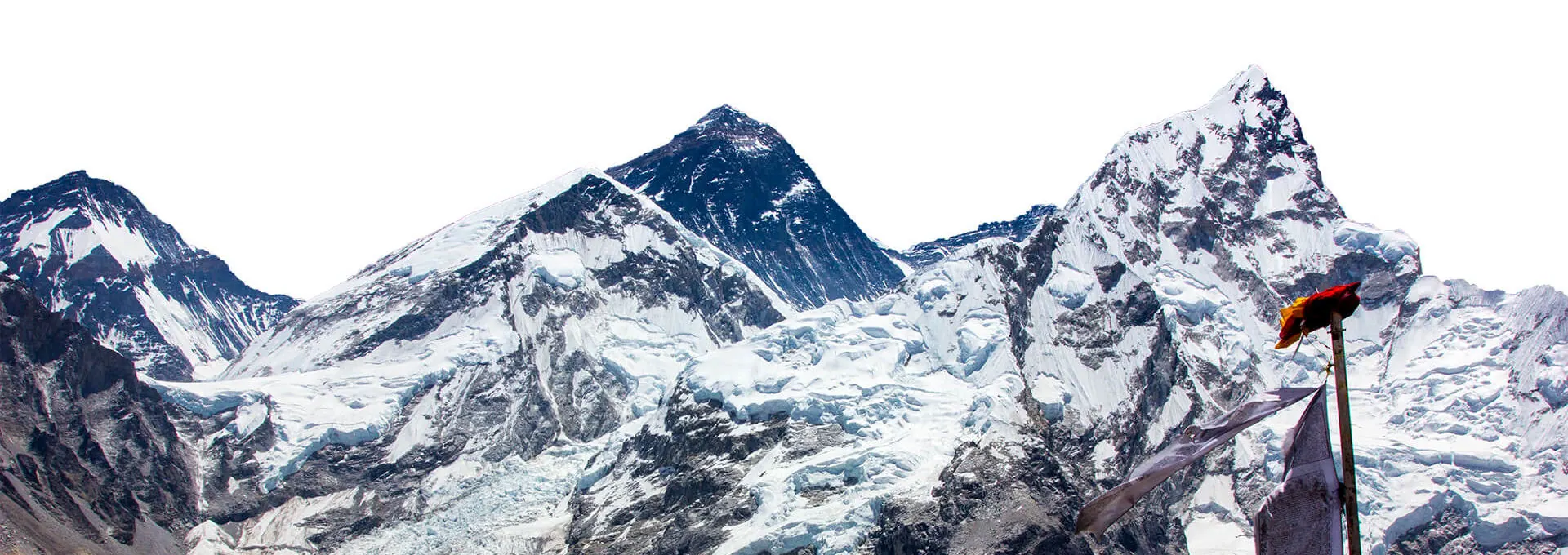
Extinct Wild Yak found in Nepal
Yaks have been milked, bred and broken in the Himalayas and Tibet for so long that they no longer have the majesty of their wild brethren. And human beings have been so successful in this domestication business that wild yaks have not been seen in the Nepal Himalayas since the 1970s. That is until now. …
Ashish ShresthaPublished 1 min read
Yaks have been milked, bred and broken in the Himalayas and Tibet for so long that they no longer have the majesty of their wild brethren. And human beings have been so successful in this domestication business that wild yaks have not been seen in the Nepal Himalayas since the 1970s. That is until now.
A group of researchers from Friends of Nature were out to study the Grey Wolf and Snow Leopard in Humla in North-western Nepal when they chanced upon a Wild Yak. The photograph they took in June 2014 has now also been independently verified by the Natural History Museum and we can now add one more animal to Nepal’s checklist. And it is a big deal not only because Wild Yaks with their six foot frame and one tonne build is a real badass animal, but also because there are only about 15,000 of these guys left.
Wild Yak rediscovered in Nepal Photo: Friends of Nature
If you think you have seen it all during your treks in Everest or Annapurna, remember that most of the pack animals you saw were impotent dzokpyos, a crossbreed between yaks and cows. While a little bigger and more badass looking than the dzokpyos, the domesticated yaks are also nevertheless a puny creature compared to the wild ones which can measure up to 7ft at the shoulders. Perhaps consider undertaking the pristine Limi Valley Trek as your next adventure if you wish to see one up close. Oh we hear they also have a good population of Wild Asses there!!
PS: Do check out the wonderful conservation work Friends of Nature is doing especially with regards to Owls in Nepal. And if you are feel like supporting the work that these guys are doing, here is a link.
About the author
Written by
Ashish Shrestha
Founder at HoneyGuide
Born in Kathmandu, Ashish studied neuroscience at the University of Pennsylvania before returning to the mountains he grew up with. An avid trekker and a birder, he has been working the Khumbu since 2015, just long enough that when he recommends a guide or a lodge, he is choosing from people he knows.
All posts by AshishReady to go? Compare all our treks & prices
Continue planning your trek
How do you avoid and handle a serious injury on the Everest Base Camp trek?
Serious injuries are rare on the Everest Base Camp trek, but when one happens, a hospital is hours away and a helicopter needs clear weather to reach you. So the job has two halves: avoid the fall in the first place, and keep an injured person stable until help can land.
Health & Safety
How do you avoid a stomach bug and stay fueled on the Everest Base Camp trek?
Boiled water, freshly cooked carb-rich food and soap go a long way toward preventing traveler's diarrhea and balancing the daily calorie count.
Health & Safety
How to prevent blisters, sunburn, Khumbu cough, and other environmental hazards in the Everest Region?
Environmental hazards are the most preventable risks on the Everest Base Camp trek, because nearly every one is answered by something you pack or a habit you keep. The ones most trekkers meet are the Khumbu cough, blisters and sunburn.
Health & Safety · Updated
How do you use a pulse oximeter on the Everest Base Camp trek?
Clip it on a warm finger after five minutes sitting still, read it before breakfast and before dinner from Kathmandu onward, and compare each reading with your own last few days.
Health & Safety · Updated
How to Avoid Altitude Sickness on the Everest Base Camp Trek, and What to Do If You Get It
Above 3,000 m, sleep no more than 500 m higher than the night before, spend an extra night after every 1,000 m gained in sleeping altitude, and never climb to a higher altitude with symptoms.
Health & Safety · Updated
Independent, group, or private: how should you organize your Everest Base Camp trek?
Organizing an Everest Base Camp trek comes down to three questions: how much the plan should bend to fit you, who you want to trek with, and how much you want to spend. The arrangement you choose follows from your answers.
Cost & Booking · Updated