Planning the Everest Base Camp trek means preparing for more than just the trail. Understanding how travel insurance and evacuations work in the Everest region is an important part of trekking responsibly. Knowing what to expect, from medical support in the mountains to helicopter evacuations and insurance procedures, can help you make better decisions before and during your trek.
Why is travel insurance for EBC so expensive?
 The first question we get when we talk about travel insurance for the EBC is, why on earth is it so expensive? For that we need to talk about the bad news first: the fake rescue insurance scam.
As recent as January 2026, eight people were arrested for defrauding international insurance companies of 20 million US dollars!
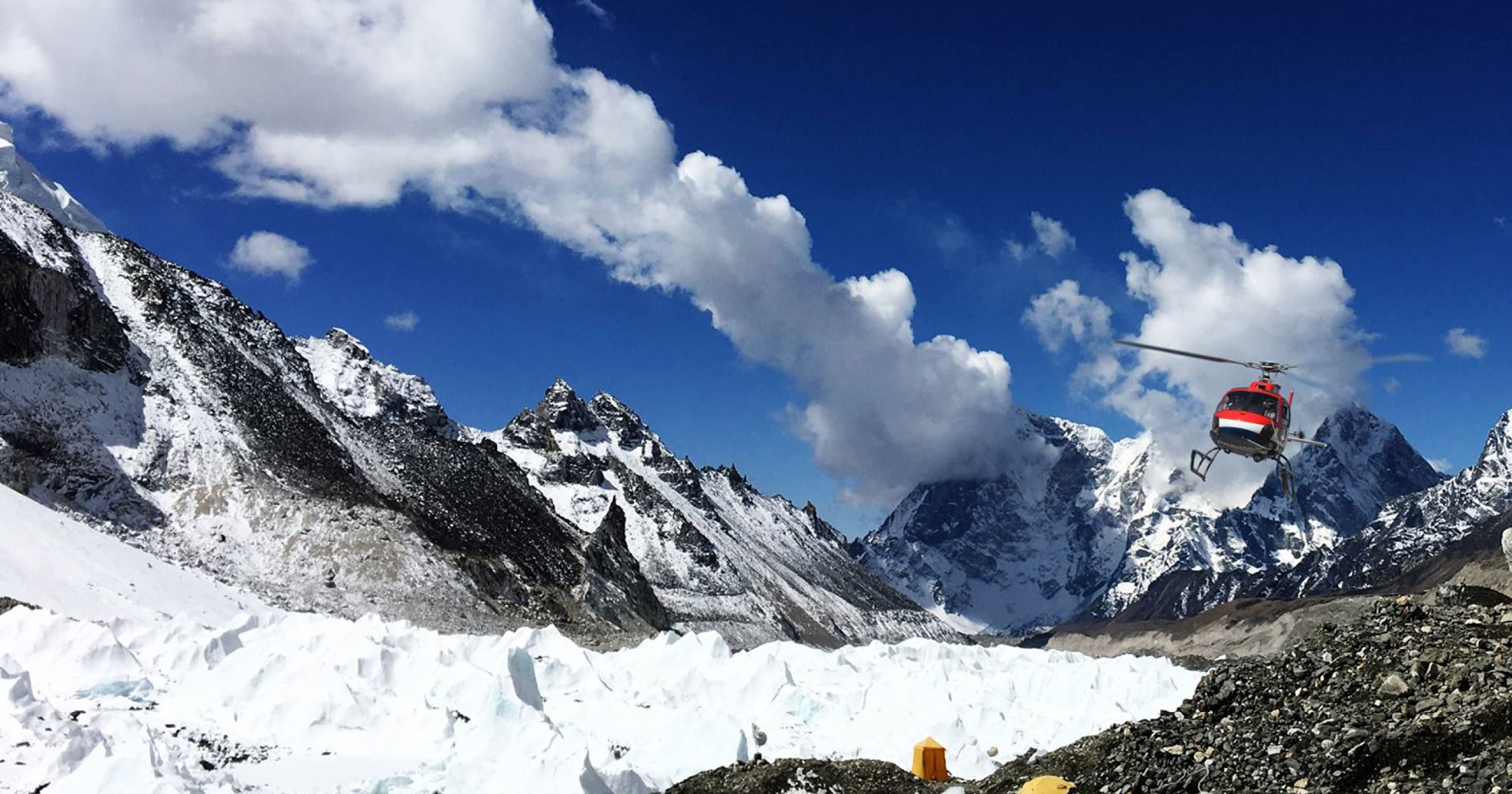
The way this scam generally works is that unscrupulous travel operators/guides/lodge owners convince gullible travelers to organize a helicopter rescue. It works by ‘helping’ mildly sick trekkers to call in an evacuation helicopter and offering them forged medical documents and a joy ride straight to Kathmandu from Gorakshep. Another more prevalent component of the scam is that even though four people are airlifted in a single helicopter flight, separate flight manifests and bills are forged to create the impression that there were four separate flights. Additionally, there is also the issue of inflated hospital bills and unnecessary procedures. In between, the guide, the lodge owner, and the travel company make a commission from the helicopter charter companies and hospitals. And as helicopter charter companies make $5,000-6,000 per evacuation and hospitals make up to $1,000 per night, even sharing 50 percent of the spoils that they made out of thin air is no big deal.
Needless to say this has led to an explosion of fake rescues and once claims go up, so do the premiums. But increasing premiums is only one of the ways insurance companies are coping with this.
Things you can expect while insurance shopping
 Deductible or excess: Most of the travel insurance now have an excess or deductible requirement for helicopter evacuation in Nepal ranging from $500 – $1500. That means if you do end up calling in a helicopter, expect to pay a certain amount from your own pocket and the insurance company will foot the rest of the bill. Given that evacuations can cost up to $6000, this policy change is designed to discourage unnecessary evacuations. However, there are still a few insurance providers that provide cashless evacuation services.
Pre-authorization requirement: This is pretty much the default for all evacuations in Nepal now. Given that the internet and telecommunication services are now better than ever, getting pre-authorization even at Gorakshep or Gokyo isn’t much of an issue. However, ensure that you have provided the hotline number of the insurance company to your emergency contact and/or travel company so that they can do the bulk of the communication on your behalf.
Medical approval for evacuation: Some insurance companies have also started asking for medical approval for evacuation. Given that there are now clinics at Gorakshep, Gokyo, Pheriche, Dingboche, Lobuche, and Namche, getting medical approval for genuine cases is not difficult. A clinic is usually also the first step for serious cases. Actually a few of the insurance companies have included medical services at such clinics as part of the service they provide.
Documentation requirement: Insurance companies might also ask you for documentation related to the evacuation and medical treatment to verify the claims made by service providers.
Lukla only evacuation: Some insurance companies are also providing evacuation in two stages for select cases. First, there is the evacuation to Lukla. There, the patient is admitted to a hospital, and if the medical team there recommends an evacuation to Kathmandu, only then does it happen. As a matter of fact a lot of cases of severe AMS, and mild HACE/HAPE get better once you decrease your altitude.
Preferred service providers: Insurance companies have also created their own network of preferred service providers to weed out unscrupulous operators. It is important to know if they have such networks and who the service providers are.
Next, we will give you a few actionable tips on how not to be part of the scam.
How not to be part of the fake rescue scam?
 Now that you understand why travel insurance for trekking in Nepal is a bit different, here are a few actionable things you can do to avoid being part of the scam.
Cheap treks: While extremely cheap treks are suspect, price is not the best indicator of unscrupulous behavior. The best scam artists know better than to stand out.
Vet your travel company: Personal recommendation > Detailed conversation + gut feeling > Recommended by reputed publications/websites > Online reviews, especially on booking platforms. Working with a travel company outside Nepal reduces the probability, but doesn’t necessarily act as a safeguard as they still work with a local travel company for ground operations anyway.
Choose the right insurance company: While most insurance companies now ask for pre-authorization before an evacuation, there are a few companies that have a robust network of trusted service providers including clinics in the Everest region, helicopter charter companies, and hospitals in Kathmandu. These insurance companies can not only provide faster service, but are also less prone to being scammed.
Few insurance companies have a pay first and settle later policy. This is usually not a good sign for you as this shows the company has offloaded the risk to you.
Private trek vs. large group trek: A 2008 study notes that group treks are characterized by “rigid ascent schedule and peer pressure to continue the trek despite fatigue or illness” which can increase the chance of evacuation. The same study also notes that “94 percent of evacuated patients were trekking with a group”.
A private trek is preferable to a large group tour from a safety perspective. If you are already signed up for a group trek, see if they can increase the guide to client ratio so that if you have to change your itinerary in the middle of the trek, you will have someone with you.
Preparation: Anybody who claims the Everest Base Camp Trek can be done in 10 days is a scammer and anyone who believes it is simply asking for trouble. Your preparation starts with a safe itinerary and adequate buffer days at the end of the trip to accommodate changes that can result from flight and health issues.
Second, learn about altitude illnesses which never start abruptly. With proper precautions, a safe ascent schedule, and mindfulness towards symptoms, there is no reason why anyone should not be able to fulfill their dreams of being on EBC without jeopardizing their lives.
Contact the insurance company yourself: In case you need to call for an evacuation, make sure to talk to the insurance representative to confirm the evacuation and tell them who will be communicating on your behalf from there on. With some insurance companies, preauthorization is necessary for direct billing.
Don’t be complicit in a crime: Exhausted from 8 days on the trail and having checked off EBC from their checklist, some trekkers find the allure of a free ride to Kathmandu enticing. Next, add the assurance from the travel company or guide that all relevant paperwork will be taken care of, and the offer becomes too good to refuse.
Don’t fall for it. It is a crime to willfully defraud an insurance company.
Do I even need travel insurance?
 Given the cost, the chaos, and the deductible, it is only reasonable for you to ask if it wouldn’t be wise to skip it altogether. While the answer to this question would have been an unequivocal “no” until a few years ago, the answer is not that straightforward at the moment.
Firstly, there is unverified information circulating that travel insurance is mandatory for trekking in Nepal. Supposed to be implemented by the Nepal Tourism Board and Trekking Agencies’ Association of Nepal, this policy has seen no progress in the Everest region. To begin with, the rural municipality of the Everest region has replaced the NTB/TAAN’s permit with their own and ensured that the two organizations have no say in permits for the Everest region. Secondly, even outside of the Everest region where TIMS permit is required, there is limited implementation of this policy.
However, even though travel insurance is not mandatory, we still advise you to treat it as such, especially for the higher treks in the Everest region, like the EBC and Cho La treks. This is because, in case something were to happen, calling in a helicopter to Kathmandu from Gorakshep costs around $5000, and medical services in Kathmandu can easily cost above $3000. Now compare this with the price of most insurance policies ($200-$500) and the deductible ($500-$1500) and the decision is still a no-brainer.
As for treks in the lower altitudes of Everest, like the Namche Trek or the Hotel Everest View Trek, that operate below 4000 meters, a cheaper travel insurance policy should be okay. It is entirely up to you if this policy has coverage for helicopter evacuation. Similar heuristics can also be applied to helicopter treks in which you exit from your highest altitude via a helicopter. EBC Heli Treks and Hotel Everest View Heli Treks are some popular options on this front. While scheduled helicopter exits are not a replacement for emergency evacuation support, they do reduce your chances of needing one.
Next, we will help you shop for the right travel insurance.
Travel Insurance checklist
 While price might seem like the most important factor when buying travel insurance for the EBC and other high altitude treks, here are some other factors:
- The highest altitude covered should be 6,000 meters above sea level. Not 5,000 meters and not 5,500 meters.
- The words ‘helicopter evacuation’ should be explicitly mentioned in the policy. ‘Medical evacuation’ is not good enough, and ‘search and rescue’ is a plus. Also, evacuation from the ‘field’ as opposed to a ‘medical facility’ is very helpful.
- Are multi-day adventure activities/sports in remote high-altitude regions covered by the insurance policy?
- Cashless or direct billing for evacuation and hospitalization reduces hassle and risk. Pay first and claim later plans require you to set aside the needed funds (minimum $7000 for evacuation and $3000 for hospitalization), collect all relevant documents, and make your case to the insurance company.
- Does the policy require that you travel with a travel company/trekking guide or does it cover independent travel?
- What is the deductible/excess amount, and how and when will you have to pay it in case of an emergency.
- Does the policy require that you buy it before leaving your home country, or is buying from Kathmandu but before the trek okay?
- What age group does the policy cover? What are the pre-existing conditions that limit the policy coverage?
- Do they have a preferred service provider network in Kathmandu? What are their names and contact information?
- What are their rules for preauthorization, and what counts as preauthorization? Will there be exceptions in case of medical or communication issues?
It is advisable that you email the insurance company with the queries above and request a reply before committing.
List of insurance companies
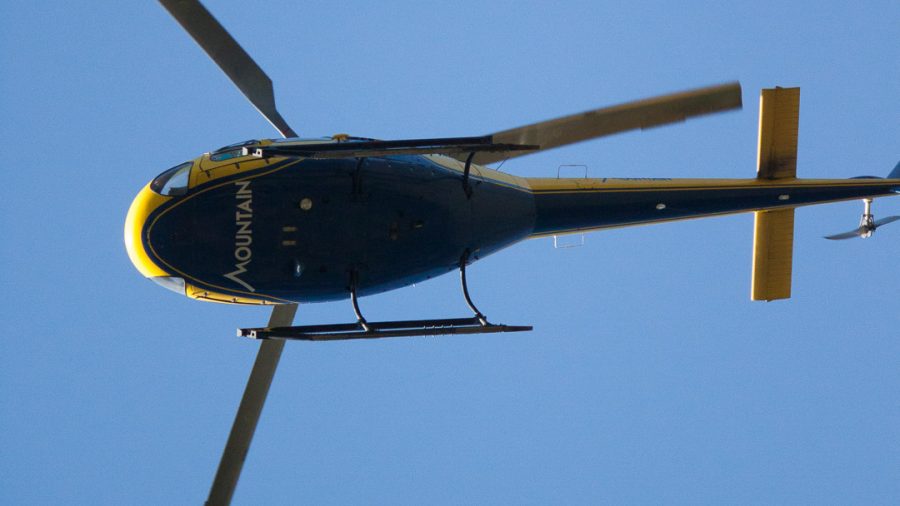 Your preferred insurance companies usually depend on where you live. Also, before you start shopping, make sure to reach out to your current health insurance providers to see if they have something that covers the requirements above.
Please note that prices vary widely but should only be one of the factors to consider. Check out the ease of evacuation, the deductible amount, and direct billing before deciding on a provider. The following list is
Global Rescue | Worldwide and United States
Membership + High-Altitude coverage only gives you emergency evacuation coverage. You still need something else for medical treatment. Expensive but no strings attached service with strong local presence.
World Nomads | Worldwide, Australia, United States
Explorer Plan for 6,000m coverage. Confirm field evacuation, direct billing, and guide requirements before purchasing.
Cover-More | Australia, New Zealand
Adventure+ add-on for the Everest Base Camp trek. Confirm guide requirements. Popular among Australians.
Fast Cover | Australia, New Zealand
Another option for Aussies. Worth comparing against Cover-More on the premium price for the same altitude tier.
True Traveller | UK, Europe
The UK market’s most recommended option. Requires their adventure pack add-on for the EBC trek.
Campbell Irvine | UK, Europe
A UK specialist insurer known for covering older trekkers and higher-risk profiles that mainstream providers decline.
BMC (British Mountaineering Council) | UK
The expensive gold standard for UK trekkers. Alpine & Ski option required for the EBC trek.
Austrian Alpine Club | Europe, Worldwide
The internationally accessible rescue-only layer at ~£65/year. Barely sufficient helicopter rescue (€25,000) and medical (€10,000) coverage. Not an insurance provider. Direct billing is not available.
ASC360 | India
Competitively priced cashless direct-billing option for Indian and South Asian trekkers. Pre-existing relationships with mountain clinics. Medical approval might be needed for evacuation to Lukla and/or Kathmandu. Helicopter evacuation might be shared.
ICICI Lombard | India
Indian domestic insurer that offers overseas travel policies with adventure sport riders. Confirm requirements in writing before purchasing.
SAFRA (AIG via SAFRA) | Singapore
Singapore-exclusive AIG product available to SAFRA members, where Nepal appears under Zone 3 (absent from AIG’s standard Singapore website). Confirm altitude and guide requirements before purchasing.
Sompo Japan | Japan
Requires the 運動危険割増 (sports risk add-on) to cover search, rescue, and helicopter costs; the base policy without this add-on does not cover mountain rescue expenses.
How evacuations work?

Before we explain why claims get denied, it is important to understand how the whole evacuation process works. Needless to say, insurance providers are more meticulous in Nepal, and some of the processes might seem impractical at first.
Step 1: Field support / Medical assessment A doctor at one of the clinics at Gorakshep, Lobuche, Pheriche, Dingboche, or Namche assesses your condition and provides medical support and recommendations.
Step 2: Preauthorization from their 24/7 Emergency Assistance team. It is important to call the 24/7 emergency team yourself. Make your case and get explicit verbal authorization from the insurance representative. In the case of extreme emergencies, you can make your case later, but that will be more of an exception than the rule.
Alternatively, your travel company can start the process and handle most of the communication, but you will still have to talk to a representative for the final approval.
Step 3: Payment guarantee If an evacuation has been approved by the insurance company, somebody has to provide a payment guarantee to the helicopter charter company. For insurance companies that provide direct billing / cashless evacuation, they will handle everything themselves. For those that have a pay-and-claim model, you or your next of kin will have to pay the helicopter company before they come to your aid. Whether the helicopter company can be selected by you depends upon the insurance company.
Step 4: Helicopter evacuation to Kathmandu / Lukla While most evacuations are directly to Kathmandu, there are some insurance providers that have started to add a Lukla Hospital buffer for select cases. Only once the hospital deems that evacuation to Kathmandu is necessary, will they take you to Kathmandu.
Helicopter evacuation may be shared with other patients, and whether a companion or medical professional can accompany you depends on your condition and your insurer’s rules.
Step 5: Hospital admission at Kathmandu On arrival, an ambulance will take you to the hospital for admission, further evaluation, stabilization, and treatment. Doctors then decide whether short-term care is enough or whether ongoing treatment, transfer, or observation is required.
Step 6: Payment settlement at the hospital If the insurer has arranged direct billing, the hospital charges are settled between the provider and insurer up to the covered amount. If not, you may need to pay some expenses first and reclaim them later, depending on the policy terms. Deductible/excess from the evacuation, if any, might also be settled at this stage. Make sure to collect an invoice from the hospital and all medical reports and test results before payment settlement.
Step 7: Discharge and repatriation Once you are medically stable, you are discharged from the hospital with instructions for recovery, medication, and follow-up care. If necessary but very rarely, the insurer may also arrange repatriation services for you. Make sure to collect an invoice from the helicopter company and a letter from your travel company before you fly back.
Step 7: Claim submission and settlement For cashless services, you will not have to bother with this. However, for pay-and-claim models, you will have to submit a claim with the required documents such as medical reports, receipts, invoices, and proof of evacuation. The insurer then reviews the claim and reimburses eligible expenses.
Why claims get denied?
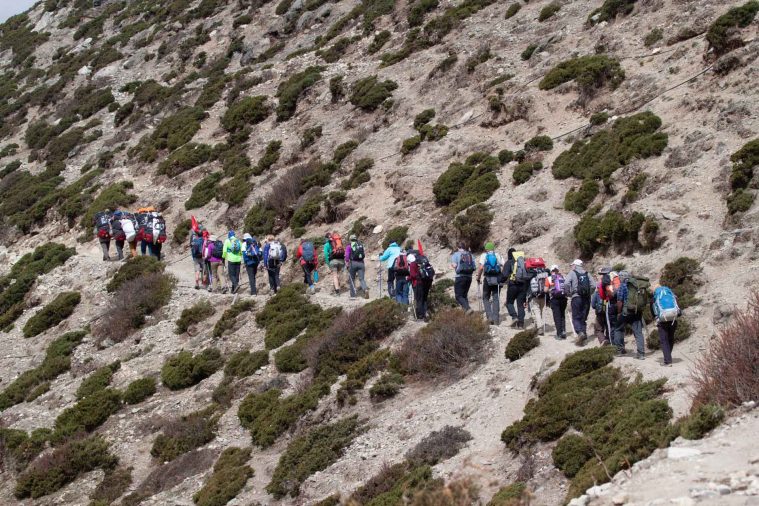
Now that you understand how evacuations work, you already have an inkling of why claims could be denied. Here is a list, nevertheless:
- Lack of pre-approval: Make sure to call the 24/7 emergency team and get their approval no matter what anyone tells you.
- The fine print: Too many to list here, but make sure to email your insurance provider with the insurance checklist above and get confirmation in writing.
- Missing documentation: Collect every bit of paper related to your evacuation, from field diagnosis to invoices, and medical reports.
- Service provider not approved: Unapproved service providers are suspect, especially if they are blacklisted. If your insurance company has provided a list, don’t listen to any other recommendation.
- Medically non-essential: If your paperwork doesn’t show sufficient grounds for a helicopter evacuation or that other options were not explored, they will not pay you.
- Pre-existing conditions: Any undisclosed pre-existing condition that caused additional risk for your condition is grounds for refusal.
Final word
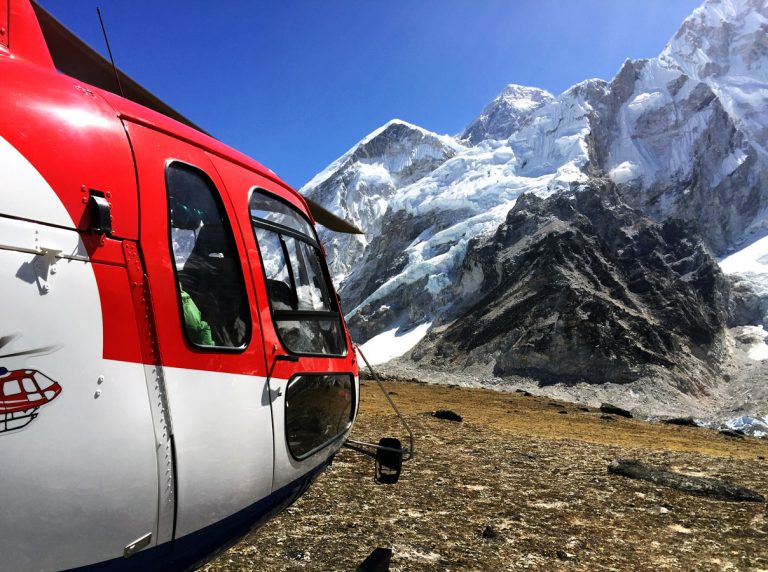 However, the important bit we often forget is that ultimately we are responsible for our own safety, and even before insurance cover, health posts, and helicopters, adventurers have been making the pilgrimage to Everest Base Camp.
Nothing beats plain old common sense and self-awareness. Understanding the basics of acclimatization and the simple ways to manage altitude risks does more to make your trek safer than anything else. Listen to your body and respect the mountains; there is no reason why your lifetime adventure should end up in a hospital.