Everest Base Camp Trek in February
If you are willing to tolerate snow and cold for biblical solitude and spectacular mountain views, February is your month to do the Everest Base Camp Trek. Weather for Everest Base Camp Trek in February February is the month of winter snow in the Everest Region. While the westerlies start bringing snow from late December …
HoneyGuide StaffUpdated First published 4 min read
If you are willing to tolerate snow and cold for biblical solitude and spectacular mountain views, February is your month to do the Everest Base Camp Trek.
Weather for Everest Base Camp Trek in February#
February is the month of winter snow in the Everest Region. While the westerlies start bringing snow from late December itself, February is when it peaks. Also, given that the snow after December doesn’t melt until March at the higher altitudes, there will be slush on the ground.
However, other than a few days of snow, the skies will generally be clear. Watch out for UV radiation at higher altitudes! In addition to clear skies, the days are also noticeably longer in February.
Temperature isn’t something to write home about either. While it is a little bit warmer than January, with absolute minimum temperature at 5,000 masl still capable of hitting -26° C, it isn’t much of a relief. The daytime temperature, however, is pretty tolerable and with proper clothing nothing to worry about. Just make sure you are inside a lodge before sundown as air temperature starts to nosedive after sunset.
Lukla (2,860m) | Namche (3,440m) | Lobuche (4,950m) | |
|---|---|---|---|
Max Avg Temp | 10° C | 7° C | -4° C |
Min Avg Temp | -1° C | -5° C | -17° C |
Precipitation | 18 mm | 18 mm | 6 mm |
Precipitation Days | 4.5 days | 4.5 days | 1.3 days |
No. Sunny Days | 20.2 days | 20.2 days | 23.3 days |
Sunrise (Feb 15) | 6:30 am | ||
Sunset (Feb 15) | 5:45 pm | ||
Hazards, Gear and Planning Tips for Everest Base Camp Trek in February#
If you don’t prepare for the cold and slush, you can get frostbite or hypothermia. If you don’t prepare for the UV radiation, you can get snow blindness or sunburn. If you don’t prepare against the iced-up trails, you can get traumatic injuries. And finally, if you don’t prepare against the dry air, you can get a bad bout of the infamous Khumbu cough.
But to be fair, these dangers are present even during the best of months, and they aren’t exactly difficult to overcome. Go through the gear required for a trek like this with particular focus on:
- Hiking Boots with Ankle Support and Awesome Grip
- Heavy Down Jacket
- Four-Season Sleeping Bag
- Extra Fleece
- Microspikes (Trekking poles can be helpful too.)
- Gaiters
- Sunscreen
- Sunglasses (Make sure to wear them even during overcast days.)
- A buff over your nose and mouth.
- Gloves and Woolen Cap
Generally, if you prepare well, February can be no more dangerous than October. Please, read more about Altitude Illnesses and Environmental Hazards before you hit the trails.
Three High Passes of Everest in February#
With snow piling up since December and fresh snow likely, the high passes of Everest can be a bit tricky. If you intend to go, have a very experienced guide, crampons, and good weather forecast. In any case, keep an eye out for bad weather and do not take any risk. It is also important to have at least a few extra days to wait out the bad weather (~4.5 days of precipitation in the month). This discussion on midwinter treks in Nepal will be an excellent place to start your online research.
Other than treks that go through the high passes, none of the other treks pose additional hazards.
How crowded is the Everest Base Camp Trek in February?#
February sees around 4% of the annual trekkers. In 2018, 2,218 trekkers entered the Everest National Park in February, while the total for the year was about 56,000. What this means is that you will have the entire trail to yourself.
Lukla Flights in February#
Flights to Lukla happen from Kathmandu during February. So you can save yourself the hassle of driving to Ramechhap Airport. With the skies generally clear, cancellations are delays while possible are rare. It is either the fog in Kathmandu or ice on Lukla Airport that is usually to blame.
Hotels and Prices for EBC Trek in February#
At least one hotel will remain open in a village throughout the winter. While you can’t be sure which one will be open, you can rest assured that at least one will be open. However, it doesn’t hurt to call or book hotels in advance.
Weird as it may sound, prices in the Everest Region do not fluctuate with the season. You might get a discount here and there, but that will be the extent of it. While you will not save much in Khumbu, you might be able to get a good deal on international flight tickets to Kathmandu during this period.
Attractions for Everest Base Camp Trek in February#
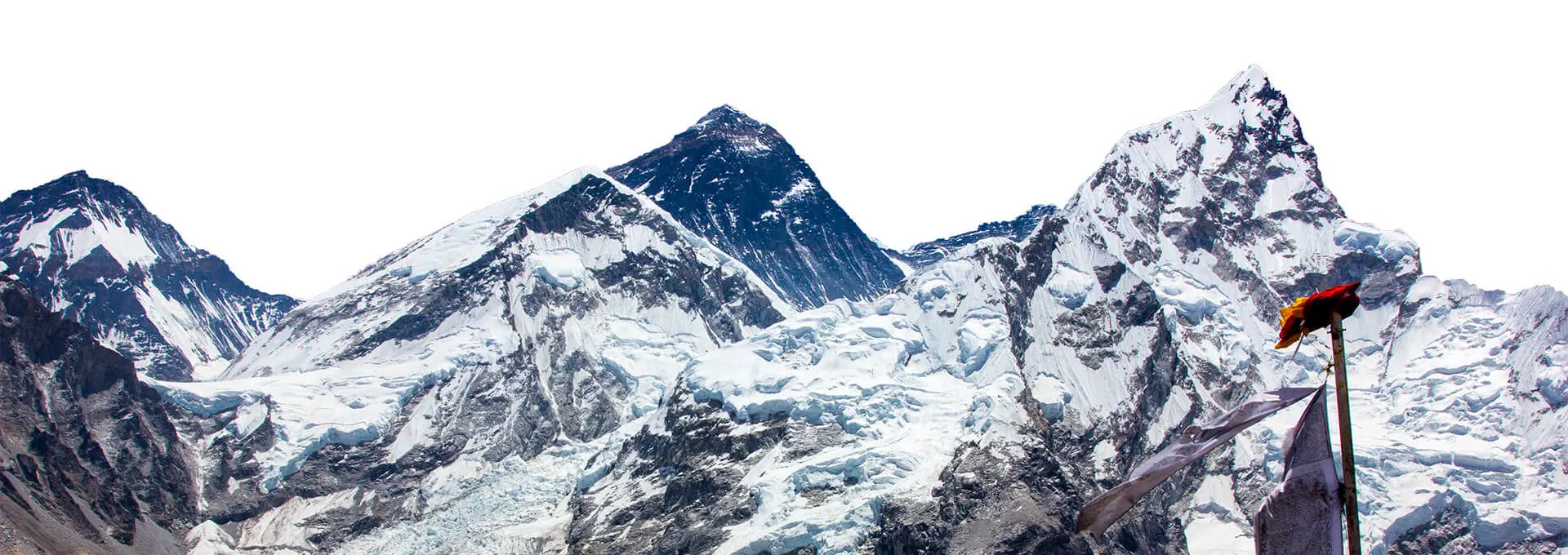
With snow on the ground, February is a good time to ski. Also, with the Gokyo Lake completely frozen, if you are up for it, you might even try your hand at figure skating. For most of us regular trekkers, the beautiful snow-clad peaks and clear skies are rewards enough to make a trek to Everest Base Camp in February worthwhile.
The Sherpa New Year also falls in February. The dates for the next seven years are:
Year | Sherpa New Year Date |
|---|---|
2021 | 12 February |
2022 | 3 March |
2023 | 21 February |
2024 | 10 February |
2025 | 28 February |
2026 | 18 February |
2027 | 7 February |
February is also an excellent time to see large mammals and birds like the Himalayan Monal and Himalayan Tahr that congregate during winters. Also, keep an eye out for Musk Deer in the forests around Phortse and Tengboche!
To the Mountains!
This post is part of the Best time to trek to Everest Base Camp Series. Here are some other posts from this series: | ||
|---|---|---|
About the author
Written by
HoneyGuide Staff
HoneyGuide is a Nepal-based trekking company. These posts are written by the guides and trip planners who work the routes they describe — mostly in the Everest region — and are updated as trails, permits and lodges change.
All posts by HoneyGuideReady to go? Compare all our Everest treks & prices
Continue planning your Everest trek
How long are treks in the Everest Region? Duration, Distance, and Days to block off
The famous Everest Base Camp Trek is 12 days. However, the Everest Region has trips ranging from half-day for the EBC Heli tour to 5-6 days for short heli treks. Then there are the treks with high passes that can be as long as up to 18 days. However, before you can calculate the total days to block off, you have to factor in your international flights, Kathmandu stay, and buffer days.
Trekking to Everest Region With a Medical Condition
A short list of conditions like sickle cell anemia, pulmonary hypertension, unstable angina rules out the Everest region altogether. However, a much longer list does not. It is also important to note that what decides is not the word Everest. The Khumbu has trips that sleep at 3,440 m (11,290 ft) and trips that sleep …
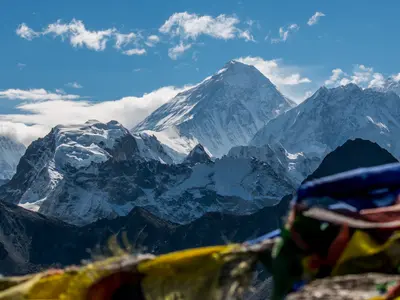
From Kathmandu to Mount Everest: 5 Ways to see Everest up-close
Seeing Mount Everest, the highest point on planet earth is a dream shared by many. Among those, some have the time while others don't, and some have the fitness while others don't. So if you are looking for a way to see Mount Everest when you are in Kathmandu, you have come to the right place.
Updated
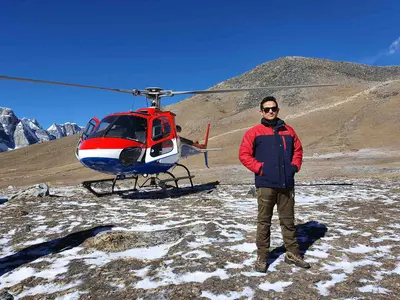
Heli Treks in Everest Region
Helicopter treks merge the immersive experience of walking with the birds-eye view of helicopter tours. The result is that you will be able to experience more in less time.
Updated
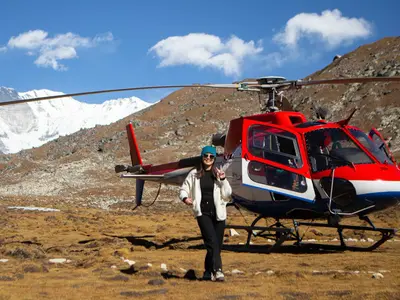
Helicopter Tours in the Everest Region
For those pressed for time or with an aversion for high-altitude labor, a helicopter tour can be the perfect way to experience the best that Everest has to offer.
Updated
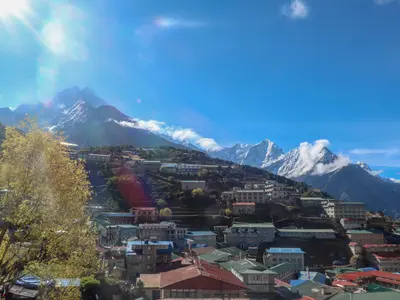
Short Treks in the Everest Region
There are many short treks in Everest for those who only have a week and don't want to risk the rigors of high altitudes.
Updated