De Pukhu and Pukushi Narayan Temple, Kirtipur, Nepal
The pond is named De Pukhu, which in literal sense translates to country’s pond. Located right in the middle of a dense Newar settlement and to the south of Iconic Bagh Bhairav Temple of Kirtipur.
HoneyGuide StaffPublished 3 min read
If you have seen Bagh Bhairav Temple of Kirtipur then there are high chances you have seen a greenish pond and a moughal styled white temple to its north. The pond is named De Pukhu, which in literal sense translates to country’s pond. Located right in the middle of a dense Newar settlement and to the south of Iconic Bagh Bhairav Temple of Kirtipur, the still water of the pond provides a sense of calmness for onlookers around. Although people who have actually seen the pond in its current state will no doubt agree that the water in the pond could use some cleaning up. The source of water in the pond is rainwater; no other source exists. Even though rainwater is the only source, the pond has never been reported dry. The only time the pond was reported dry was during the battle of Kirtipur when Kirtipurians used its water for cleaning and bathing purposes excessively.
De Pukhu is the center of attraction every year during Indra Jatra, when people of Kirtipur gather around the pond with various musical instruments. Lakhey (a mythical creature, more precisely a Newari demon) dance can also be witnessed around the pond during this time of the year. One popular practise of giving a head and two legs of buffalo to lakheys and concerned people as a gift from the residents of Kirtipur is particularly popular. They then dive into De Pukhu along with the head and two legs and then display it to the public for them to applause. This practise has been related to a myth that concerns 5 pandavas of India. According to a legend, there used to live a demon named Bakhumal near Balkhu river who committed mass genocide in the city of Kirtipur. Citing this concern, Kirtipurians made a deal with the demon. The deal required one resident to appear before Bakhumal everyday and present himself/ herself as the demon’s meal. Continuing this practise, one day a old man, citing his old age decided to go to the demon and offer himself as his meal. This particular incident happen to coincide with the 5 Pandavas’ secret stay in Balkhu while on their way to Biratnagar. The eldest of the 5 Pandavas, Yuddhisthir ordered his younger brother Bhimsen to go kill the demon, which Bhimsen cordially obliged. It is said that Bhimsen ripped Bakhumal into two pieces with his bare hands. The Kirtipurians upon hearing this news, brought the demon’s legs and head along with them to De Pukhu and to celebrate this good news jumped into the water along with the demon’s head and two ripped out legs. Kirtipurians received the blessing of the 5 Pandavas and never ever had to fear the demon, Bakhumal’s terror. To commemorate this event, Kirtipurians pull off a similar act, only this time with a buffalo every year during Indra Jatra.
To the north of De Pukhu stands Pukhusi Narayan Temple. It is a white coloured Moughal style temple with muslim influences. Outside the temple, there are komainus present on either side of stairs which are believed to have been protecting the temple ever since its construction. Komainus are lion statues present outside temples, the soul purpose which according to legend is to protect the temple. This temple once upon a time used to inside the premises of Bagh Bhairav Temple and was built in Pagoda style. The architecture was altered to the present shape in 1995 B.S but the entrance and the walls are still in its original shape and finely carved. The walls of this temple are lime plastered. At present, you can see some cracks emerging on the walls of the temple as a result of the recent 7.8 magnitude earthquake.
The combination of both De Pukhu and Pukhusi Narayan Temple provides a strong partnership for sightseeing purposes. To get a great view of both De Pukhu pond and the Pukhusi Narayan in the background, we suggest you to take your cameras to the south side of the pond. To the east of the pond, there is a small old styled resting place where you can release some stress off of your feet and at the same time enjoy the rich view in front of you. It will be a moment to remember and cherish, definitely!
De Pukhu, the famous pond at Kirtipur, Nepal
About the author
Written by
HoneyGuide Staff
HoneyGuide is a Nepal-based trekking company. These posts are written by the guides and trip planners who work the routes they describe — mostly in the Everest region — and are updated as trails, permits and lodges change.
All posts by HoneyGuideReady to go? Compare all our treks & prices
Continue planning your trek
Best of the Everest Base Camp Trek: What Is Actually Worth the Walk
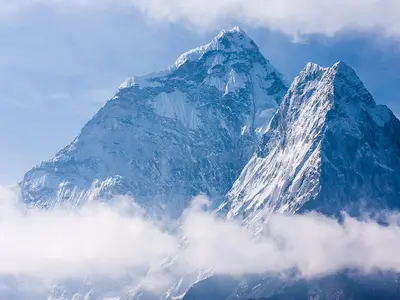
The best thing on the Everest Base Camp trek is not Everest Base Camp. It is the 4:30 am climb to Kala Patthar, the green-roofed villages under Khumbila, and the hour at Tengboche when the monks start the evening puja and Ama Dablam goes pink behind the gompa. Reaching the Base camp is like crossing …
Attractions · Updated
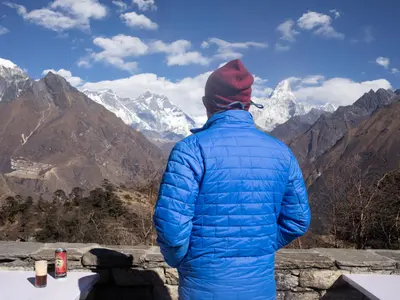
Viewpoints with the best Mount Everest View
Here is a list of iconic spots to get an awesome Mount Everest View.
Attractions
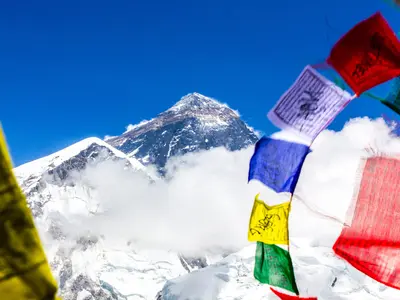
Facts about Mount Everest: the Highest Peak in the World
If Mount Everest were a person, what would its tinder profile look like? Well, here is how:
Attractions
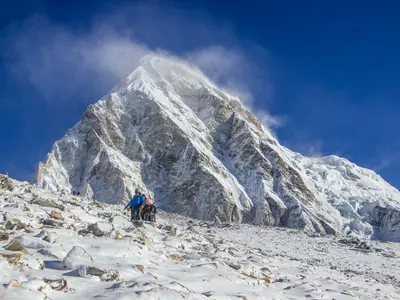
How long are treks in the Everest Region? Duration, Distance, and Days to block off
The famous Everest Base Camp Trek is 12 days. However, the Everest Region has trips ranging from half-day for the EBC Heli tour to 5-6 days for short heli treks. Then there are the treks with high passes that can be as long as up to 18 days. However, before you can calculate the total days to block off, you have to factor in your international flights, Kathmandu stay, and buffer days.
Trek Planning
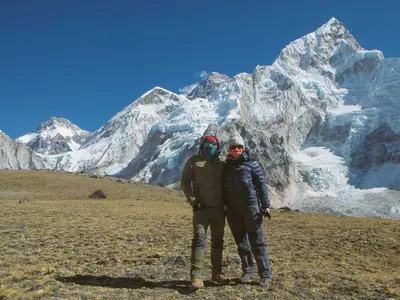
Trekking to Everest Region With a Medical Condition
A short list of conditions like sickle cell anemia, pulmonary hypertension, unstable angina rules out the Everest region altogether. However, a much longer list does not. It is also important to note that what decides is not the word Everest. The Khumbu has trips that sleep at 3,440 m (11,290 ft) and trips that sleep …
Health & Safety
From Kathmandu to Mount Everest: 5 Ways to see Everest up-close
Seeing Mount Everest, the highest point on planet earth is a dream shared by many. Among those, some have the time while others don't, and some have the fitness while others don't. So if you are looking for a way to see Mount Everest when you are in Kathmandu, you have come to the right place.
Trek Planning