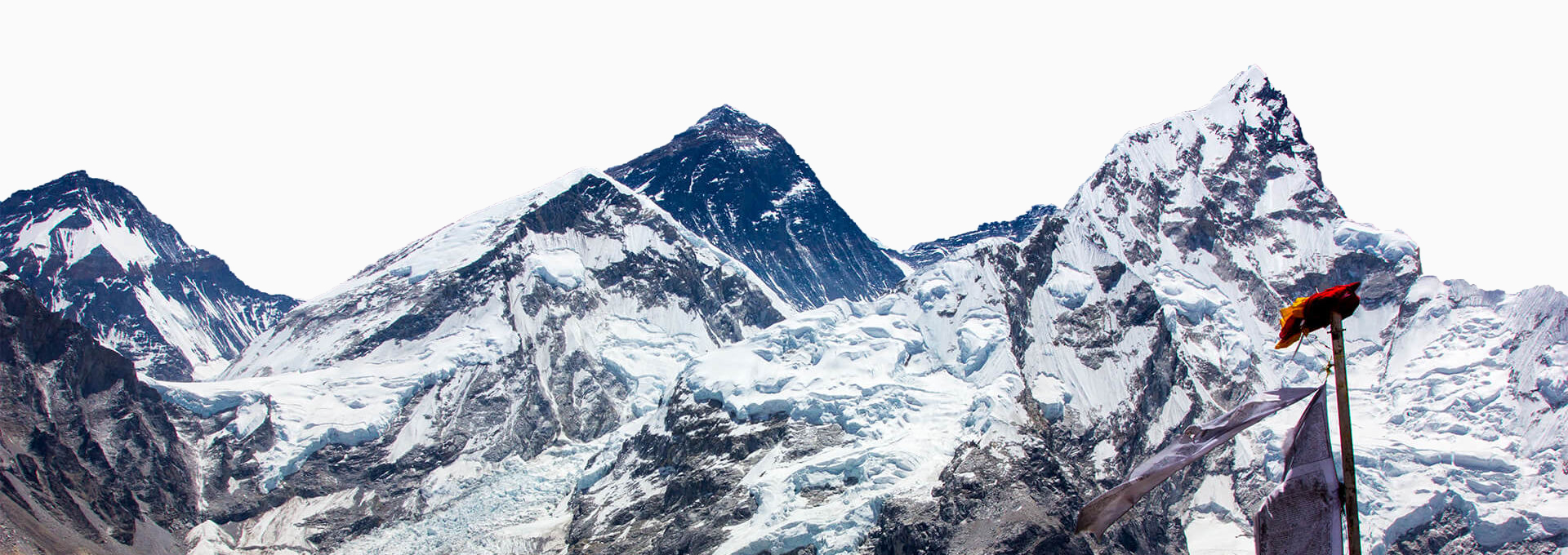
At 13,000 feet level, where the air thins, prayer flags whisper, stands a hotel that almost shouldn’t exist: Hotel Everest View (HEV). Built when there were no roads, no airstrips, and barely any tourism infrastructure, this architectural marvel spearheaded tourism in the Everest region.
From raw stones carved out of the hillside, to iron beams carried on Sherpa backs, to heli-lifted luxury fittings that arrived decades before helicopter tourism was even a thing, HEV is a story of determination and vision. Only when you enter through its iconic stone steps will you understand why this place redefines what it means to experience the Everest region.
A Dream Born in 1968 and Built by Hand in the Middle of the Sky

Hotel Everest View began as the dream of Takashi Miyahara, a Japanese tourism pioneer who first saw the Syangboche ridge in 1968 and instantly knew:
“The world needs a hotel here.”
But this was not just any ridge. It was a 3,880-meter hilltop with no road access, no electricity, no proper helicopter landing spots, and no transport except for people carrying supplies. Everything, from cement and windows to the grand piano in the lobby, was either carried up from Namche or flown in by helicopter, one piece at a time.
Before it became a luxury stop, HEV was built with determination, patience, and a deep respect for the mountains. In 2004, Hotel Everest View was added to the Guinness Book of World Records as the highest luxury hotel in the world.
A Ray of Light in the Himalayas
Takashi Miyahara, way ahead of his time, recognized the importance of sustainable tourism long before it became trendy. In fact, in the early 1980s, he was already writing about it in his book, “A Ray of Light in the Himalayas”, which reflects his visionary thinking, determination, and perhaps a bit of foresight. The book, originally penned decades ago, was re-released in 2022, and it’s a must-read for anyone who wants to know what sustainable tourism really looked like before it became a global trend. Miyahara’s perspective is still as relevant as ever, proving that sometimes the best ideas come long before they’re in style.
Entering the Hotel: Stone Steps, Raw Himalayan Craft, and a Hidden World of Comfort
 Your experience starts from the moment you climb the rough stone staircase, hand-carved from the very mountain HEV sits on. Nothing here is artificial. Nothing is imported unnecessarily. Everything uses what the Himalayas gave.
And then, within a few steps, the hotel opens up into a world completely different from the rugged outside, a warm Himalayan lodge infused with Japanese minimalism.
The Grand Lobby With a Piano at 3,880 Meters
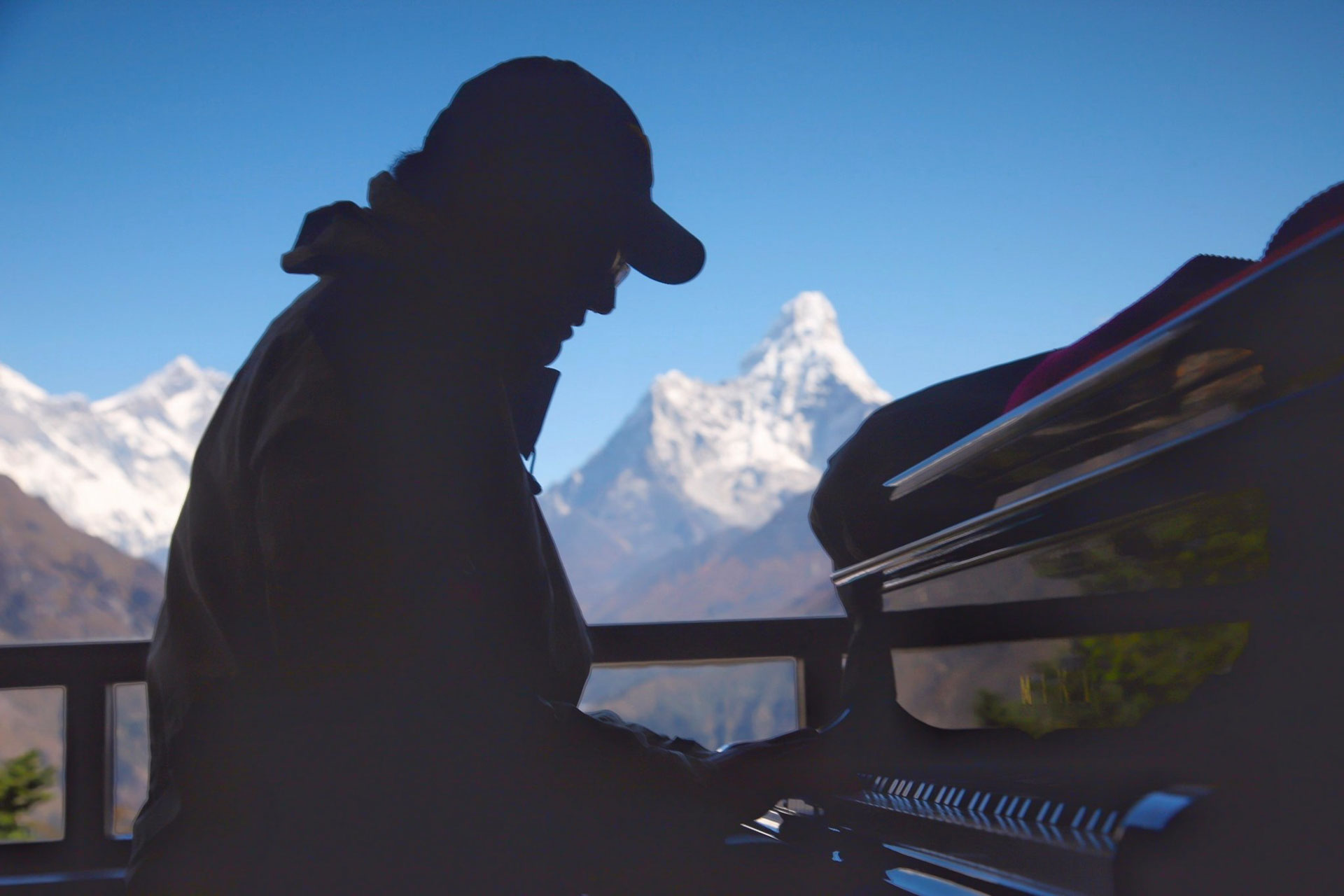 You step into a lobby where a grand piano rests quietly, surrounded by floor-to-ceiling windows framing Everest. It’s surreal; music, wood, and glass, all standing strong against the Himalayan wind.
The Dining Hall With the Ancient Boulder
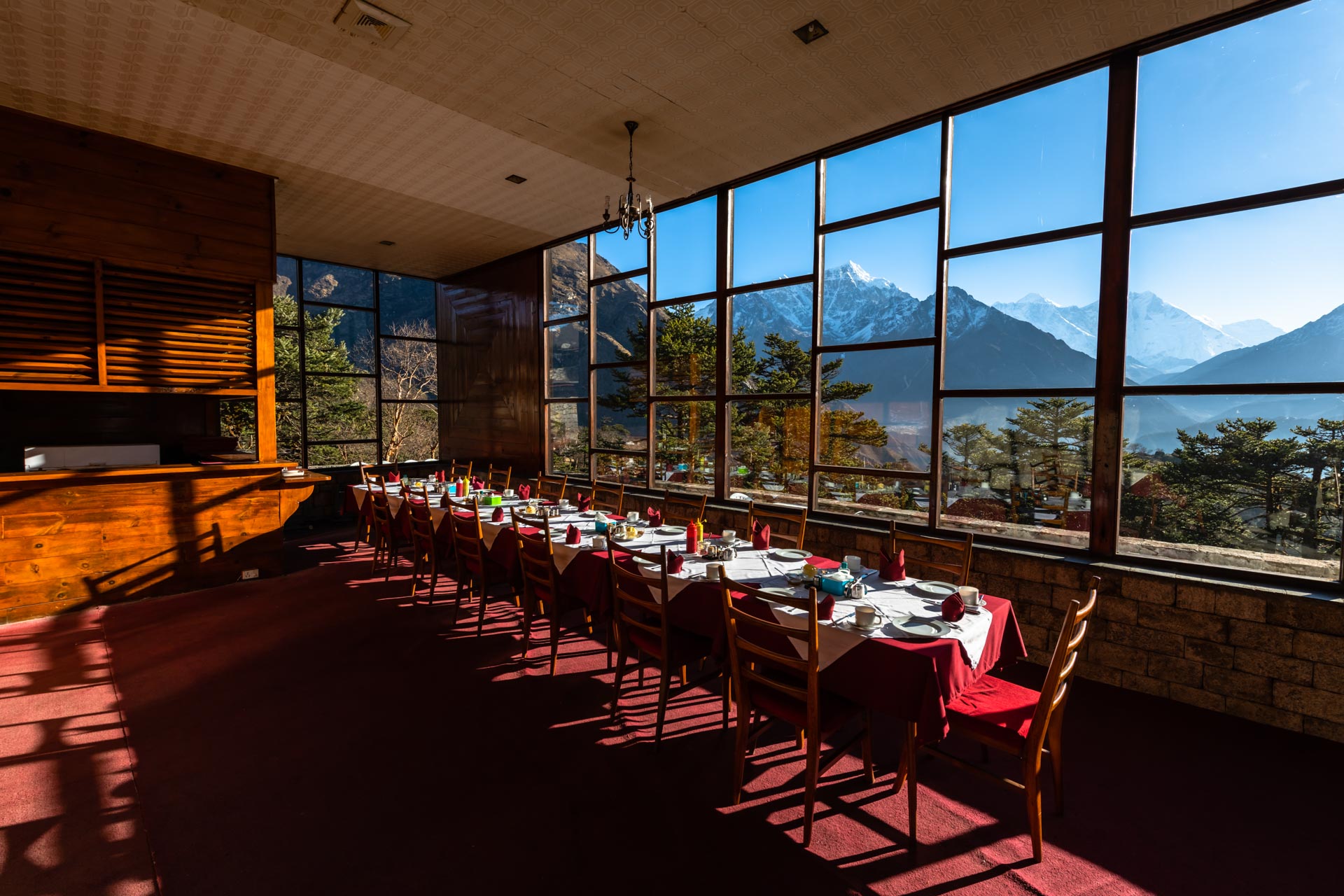 Walk a little further and you’ll see a massive, ancient boulder with Buddhist inscriptions, left exactly where it stood. The hotel was simply built around it. A crimson red carpet leads you to the dining space, giving the entire room a rare combination of Himalayan rawness and royal elegance.
The Rooms: Every Window Is a Panorama
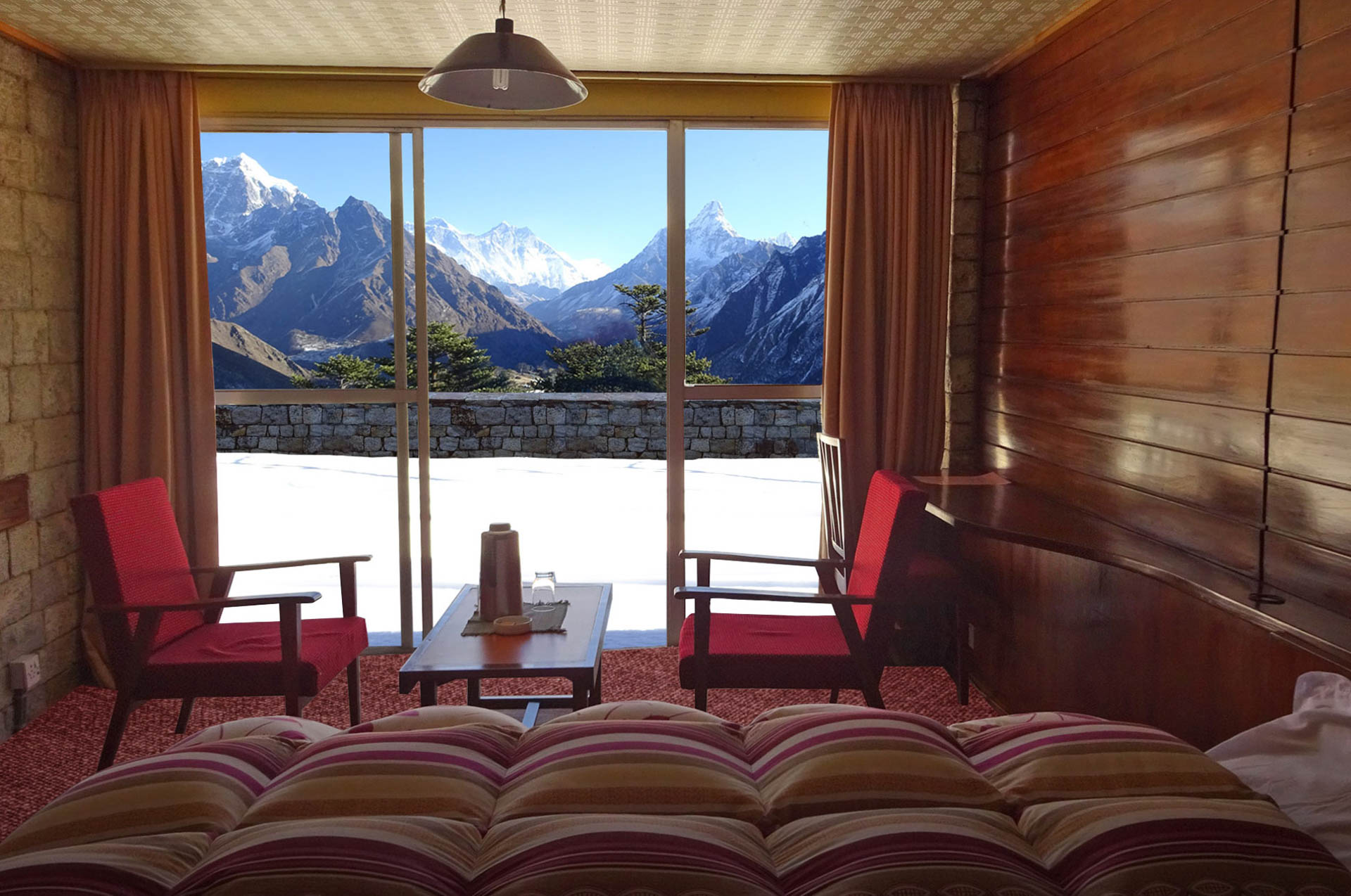 Follow the red carpet down the hallway, and you’ll find 12 rooms, each designed so that Everest, Ama Dablam, Lhotse, Thamserku, and Kangtega greet you the moment you wake up. The wide glass windows, wooden interiors, and warm bedding make it feel like a private observatory.
The Secret Sun Room (Few Ever Find It)
For the curious:
There is a small hidden sunroom, known only to the team and adventurous explorers.
It’s the perfect place for quiet solitude, just you, the mountains, and the warmth of the morning sun.
(If you find it, send HoneyGuide a message. We love hearing who discovers it.)
Breakfast With Everest: The White Balcony Table Experience
 Picture yourself stepping onto the open balcony, where a white breakfast table is ready for you. The sun lights up Everest, Ama Bablam shines gold, and the entire Khumbu feels like it belongs only to you. Coffee tastes different here, silence sounds different here, and even the wind feels like part of the experience.
Getting There: Trek or Helicopter, Choose Your Style of Luxury
1. Trekking Route: A Perfect Middle-Ground Everest Experience
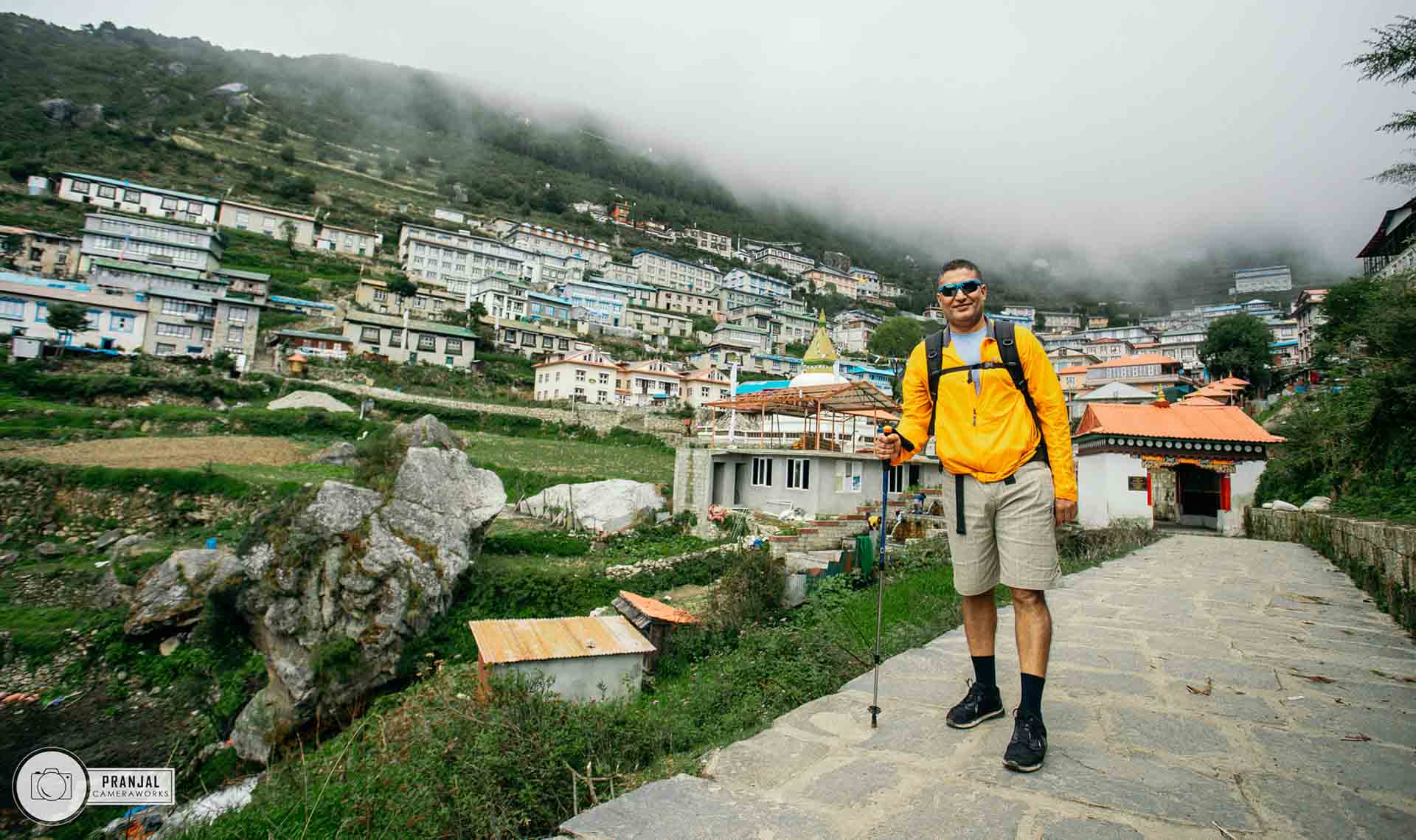 If you want adventure without the extreme challenge of reaching Everest Base Camp, the Namche Trek is the perfect choice. Over 5 to 6 moderate days, the trail takes you from Lukla through Phakding and Namche Bazaar before gradually ascending to Syangboche and HEV. Trekkers love this route for its gorgeous views from the very first day. The trek combines Sherpa villages, forests, and suspension bridges, and it has an ideal acclimatization profile. It offers a beautiful introduction to the Everest region while allowing you to reach 3,880 meters without strenuous or overly long trekking days.
2. Helicopter Option: The Everest Luxury Experience
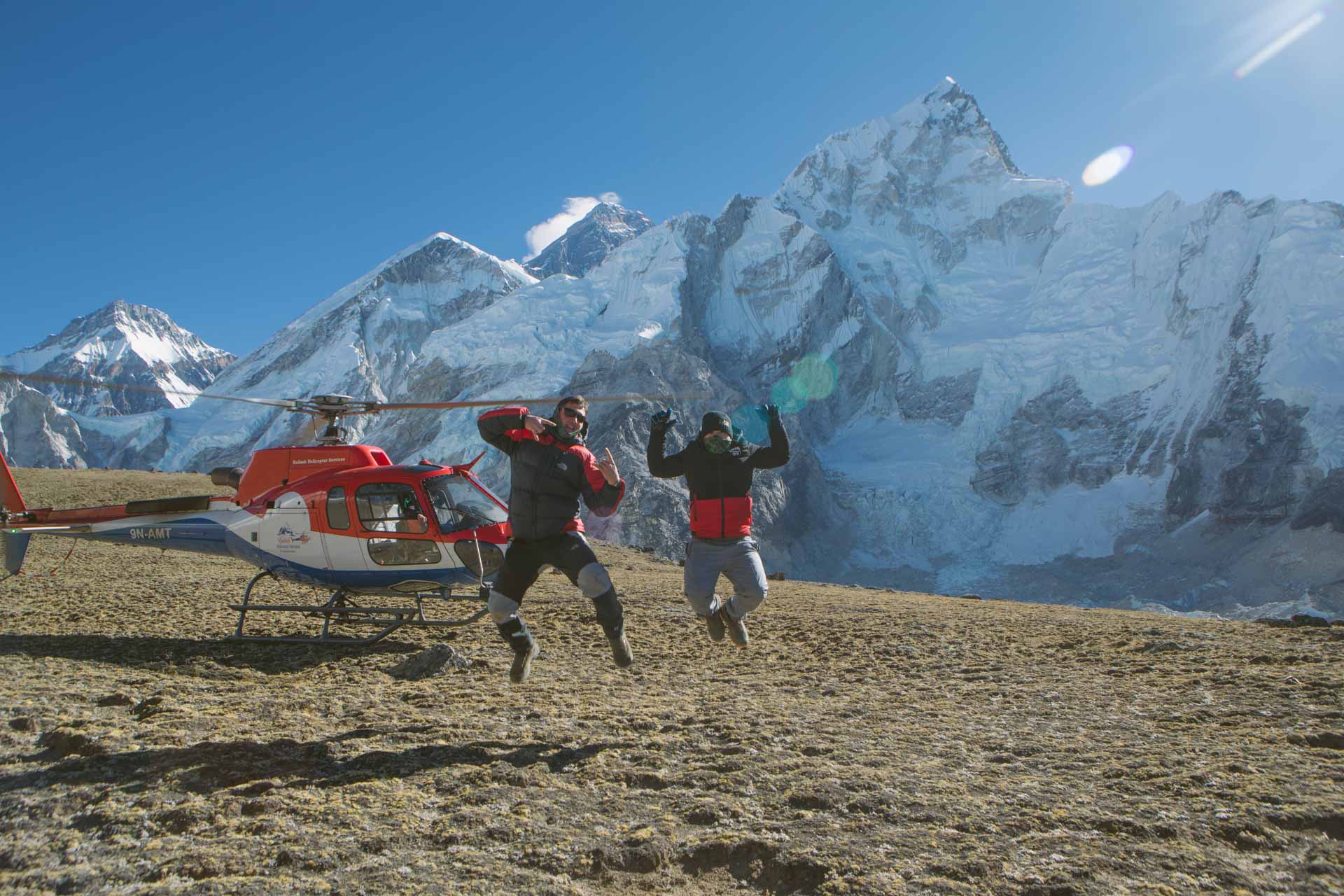 If you are short on time, or want to experience pure luxury, Heli Tours offers an unmatched way to experience the Everest region. You take off from Kathmandu or Lukla, soar above the Khumbu Valley, and land directly at Syangboche for a relaxed champagne breakfast facing Everest. Many travelers choose to combine experiences, trekking up and flying down or pairing a scenic mountain flight with a heli landing and breakfast at HEV. It’s the perfect balance of adventure and luxury.