







Wildlife & Flora
Stinging Nettles
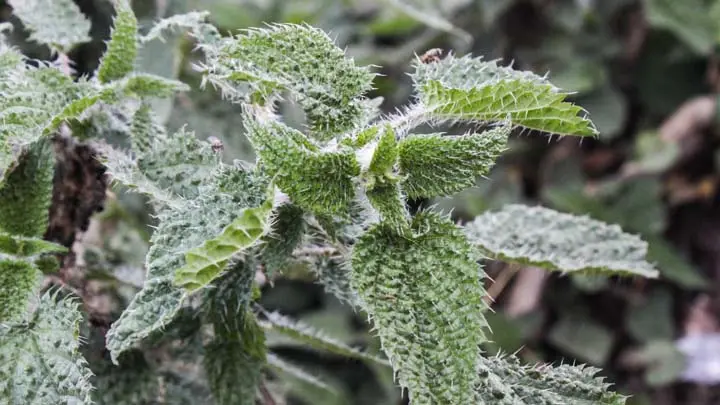
Stinging Nettles (Urtica dioica) is a wildlife & flora sighting recorded around Landruk, Birethanti, Bahundanda.
- Scientific name
- Urtica dioica
- Local name
- Sisnu
- Category
- Wildlife & Flora
Stinging, thorny, itchy are just some of the uncomfortable words used to describe this little green plant. These plants have hairy leaves and stems which causes severe pain to human skin or any other skin for that matter when touched. These stinging hairs on the plant gets transformed into needles when touched and transfer many chemicals into the skin that comes in contact with the plant. It is this mixture of various chemicals that gives a painful sting and may last from a few minutes to a week. These leaves are toothed like the edge of a saw. If incase you are the unfortunate one to touch this plant then there are some remedies you could opt for. Calamine lotion may be helpful, as well as urine, which has the advantage of being readily available. Besides these, one can also use horsetail, leaf of dock, the underside of fern, mud, saliva or baking soda, lemon juice and onions or oil to minimize the stinging effect of the plant. But these nettles aren't all about negatives only; the plant is haemostatic in vomiting of blood, uterine hemorrhage, and bleeding from the nose. The leaves of the plant can be eaten by cooking. Decoction of plant is useful in jaundice as well. And young shoots are eaten as vegetable to clear the stomach. Cooking this plant is forbidden in the house of Brahmins and Kshatriyas. The flowers are yellowish green and found in clusters; these flowers might be the only thing attractive in the whole plant. This is the very plant that the great eccentric poet 'Milarepa' meditated on somewhere in the 11th century inside Milarepa cave in Manang district. Imagine sitting on stinging nettles and still being able to meditate. More on this in our other app: Annapurna circuit trek.